
Ant Control in New York & Long Island
We provide fast, safe, and guaranteed ant treatment for homes, apartments, and businesses across New York City and Long Island.
What are ants?
Ants are social insects that live in large colonies and follow scent trails between their nest and food sources. In New York and Long Island , common species include carpenter ants , odorous house ants , and pavement ants . They enter homes through tiny cracks, around pipes, and under doors, often showing up in kitchens and along baseboards, which is why early detection and targeted treatment are key.
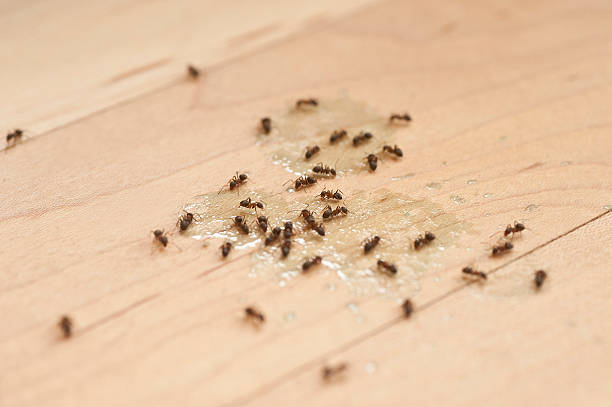
Common Ant Types Around NYC
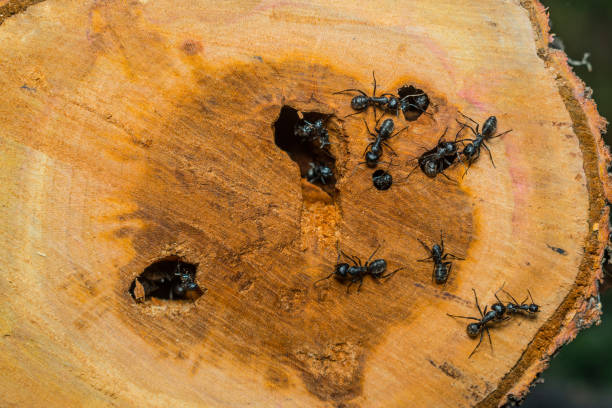
Carpenter ants create tunnels in wood and can weaken structural beams and window frames if left untreated. Smaller odorous house ants trail inside from outdoor nests and contaminate food, while pavement ants often nest near sidewalks and driveways and follow gaps into buildings. Identifying the type of ant helps us choose the right bait and treatment strategy.
Why Ants Are a Problem?
Ants contaminate food, create unhygienic conditions in kitchens, and in the case of carpenter ants, can damage wooden structures over time. Because they move in long trails and rebuild nests in hidden areas, simple DIY sprays usually don’t solve the problem for long. A professional inspection and targeted treatment are the best way to stop them at the source and keep your home ant‑free.
Why New York & Long Island Are at Risk?
New York City and Long Island have dense urban areas, older buildings, and plenty of outdoor food and garbage sources that attract ants. Shared walls, basements, alleys, and sidewalk cracks all create easy pathways for ants to move between units and buildings. Regular inspections and barrier treatments around your home are essential to keep them from moving indoors.
Common Signs of Ant Infestation
- Seeing ant trails moving toward crumbs, pet food, or kitchen counters.
- Small piles of fine sawdust near window frames, baseboards, or wooden structures (carpenter ants).
- Tiny ants emerging from cracks in walls, floors, or around pipes.
- Gnaw marks or weakened wood around window frames or under floors.
- Small mounds or dirt near sidewalks, driveways, or foundations.
Ant Life Cycle Overview
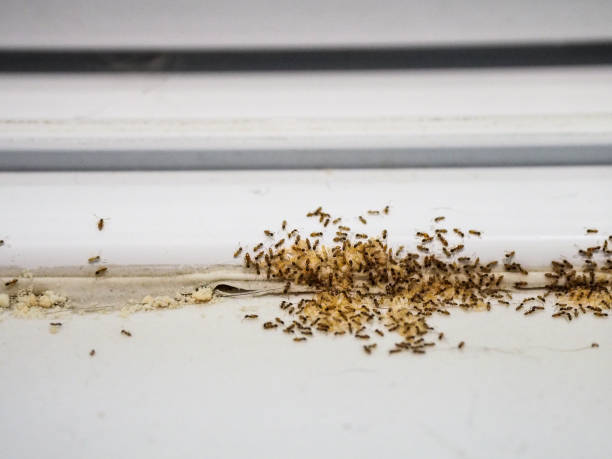
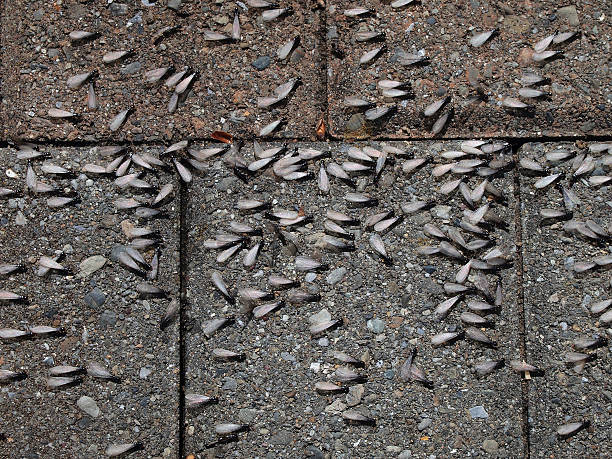
Ants go through four main stages: egg, larva, pupa, and adult . The queen lays eggs that hatch into larvae, which are then fed by worker ants. After several molts and a pupal stage, adult ants emerge as either workers, soldiers, or future queens. This life cycle lets colonies grow quickly, so treatment must target both visible trails and the hidden nest.
How Our Ant Treatment Works
We start with a detailed inspection to find ant trails, entry points, and likely nesting areas inside and outside your home. Our technicians use targeted baits and safe chemical treatments that worker ants carry back to the colony, helping us eliminate the entire nest instead of just the visible ants. We also recommend sealing cracks, fixing leaks, and improving sanitation to reduce future activity. Follow‑up visits keep your property cleaner and more ant‑free.