
Other Common Pests in New York & Long Island
We provide safe, effective treatment for fleas, ticks, millipedes, centipedes, and other common nuisance pests in homes, yards, and businesses across New York City and Long Island.
Fleas
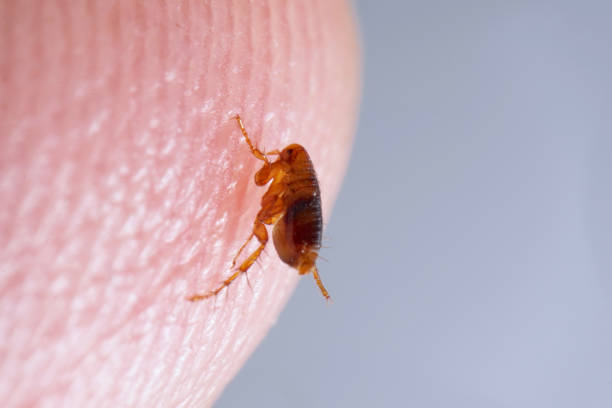
Fleas are tiny, jumping insects that feed on the blood of pets and sometimes people. They often live in carpets, bedding, pet bedding, and baseboards, and can multiply quickly if not treated. Flea bites cause itchy red spots and can lead to allergies in pets and humans, so professional treatment is important to break the life cycle and keep your home comfortable.
Ticks
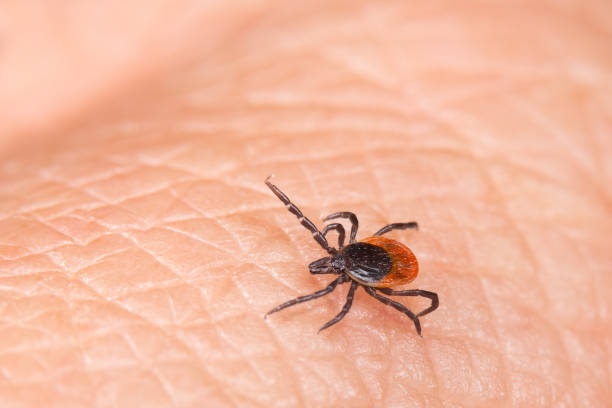
Ticks are small, blood‑feeding parasites that attach to pets, humans, and wildlife. They often hide in tall grass, shrubs, and wooded areas and can carry diseases such as Lyme disease, ehrlichiosis, and others. Because they can be difficult to see and remove, treatment of outdoor areas and regular checks on pets and people are key to reducing risk.
Millipedes
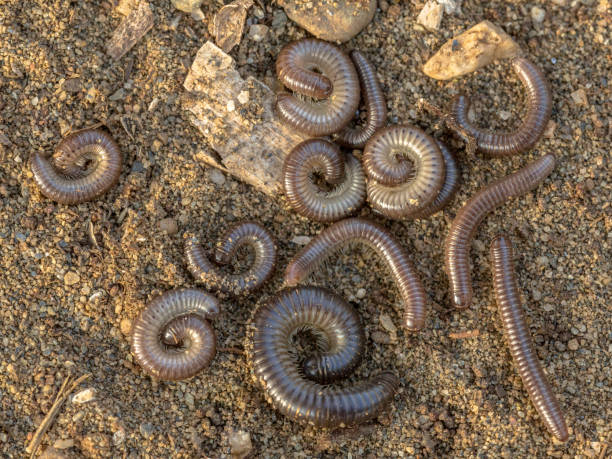
Millipedes are long, worm‑like insects with many legs that live in dark, damp areas such as under mulch, leaves, and soil. During heavy rains or moisture events they may wander into basements, garages, and crawl spaces in large numbers. They do not bite or sting but can be a nuisance and leave behind a foul odor when crushed.
Centipedes
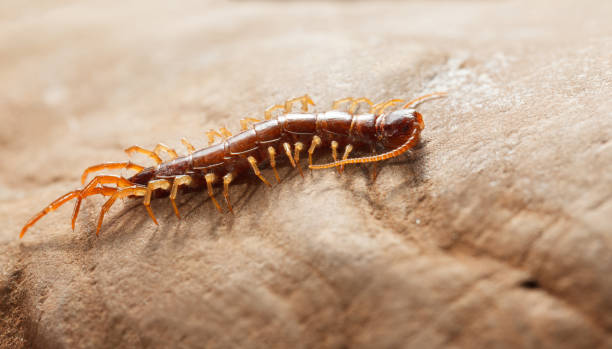
Centipedes are fast‑moving, many‑legged insects that live in dark, moist areas such as basements, bathrooms, and under mulch. They hunt and eat other small insects and may occasionally bite if handled, causing pain and swelling. While they can help reduce other pests, large numbers or frequent sightings indoors usually mean moisture and hiding spots that need to be addressed.
How Our Treatment for Other Pests Works
We start with a detailed inspection of your home, yard, and key problem areas such as basements, pets’ sleeping areas, and outdoor vegetation. Our technicians use targeted, safe treatments designed for each pest: flea and tick control around pets and common areas, plus barrier treatments for millipedes and centipedes along foundations, mulch, and moisture‑prone spots. We also recommend reducing moisture, sealing entry points, and improving yard maintenance to keep these pests from moving back in. Follow‑up visits help keep your property clean and more pest‑free.